
Making work has never been cheaper or faster. At this year's Summit, the message from the stage was that the advantage now lies in choosing the right work, and in-house teams are best placed to do it.
Around 280 in-house leaders from more than 100 brands came together at The Timber Yard in Port Melbourne on Thursday 22 October for the IHAC Advantage Summit 2026.
Across a day of keynotes, panels and breakouts, one idea kept coming back: AI has made it easier to make more, so the teams that win will be the ones that choose better.
The opportunity: move up the value chain
IHAC Executive Chairman Chris Maxwell opened the day by naming the mood of the industry: excited, unsure and stretched. AI hasn't made the work easier yet. It has added channels, content and platforms, while consumers' attention hasn't grown.
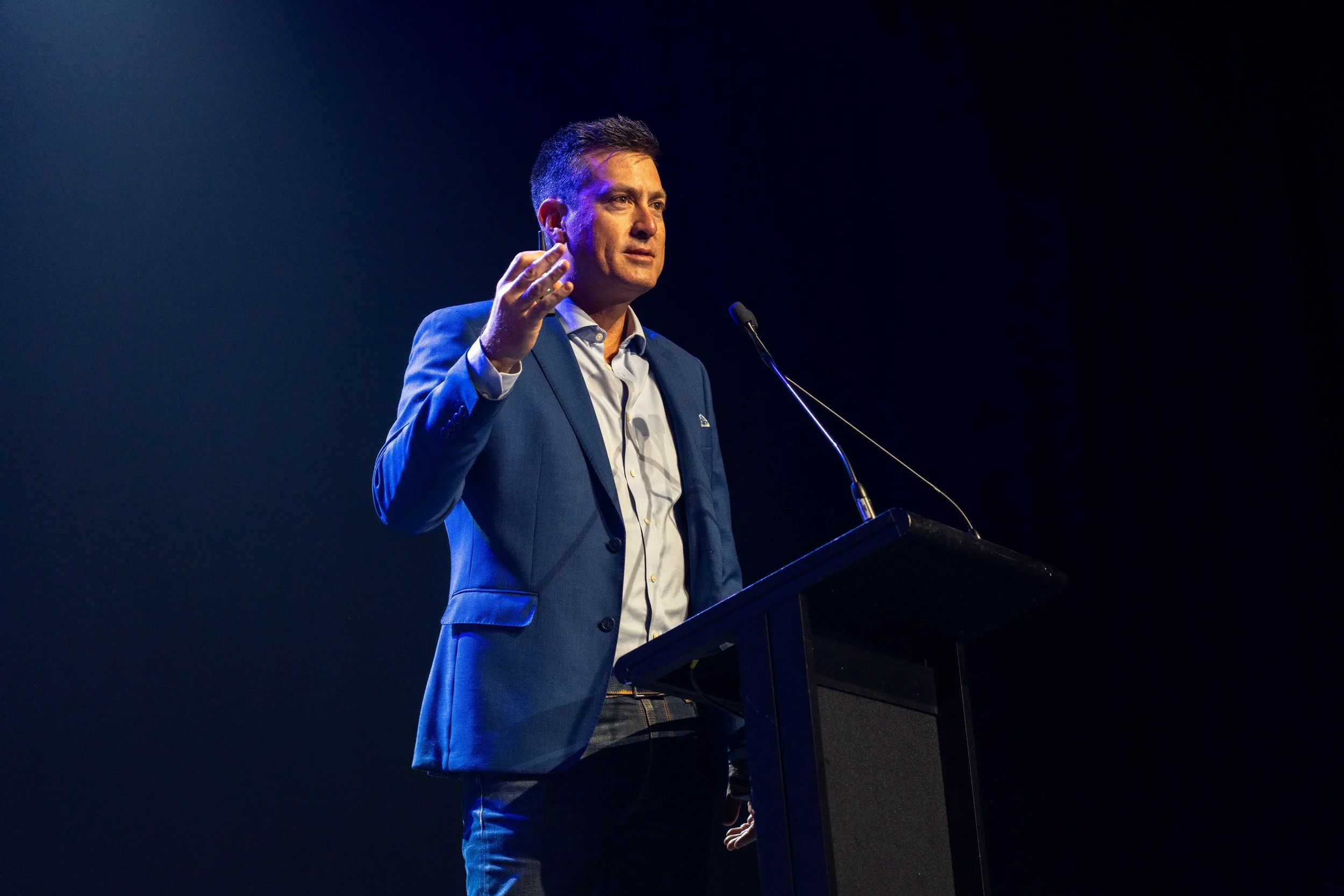
Chris Maxwell, IHAC Executive Chairman
His answer was ‘better, not more'.
"The brands that win aren't going to be the ones that made the most; they'll be the ones that chose the best," he said. That means in-house teams moving beyond fast, efficient production into strategic problem solving and integrated media and creative thinking.
IHAC's own data showed the gap. In our member survey six months ago, every respondent was using AI, but only 4% had built it into core workflows. Teams were pointing AI at ideation, image generation and copywriting, and rarely at capacity, media planning or strategy. As Chris put it: "You kind of gave the AI all the fun stuff. And you kept all the admin for yourself."
Chris also announced that Abby Blackmore has been appointed CEO of IHAC, with Chris continuing as Chair.
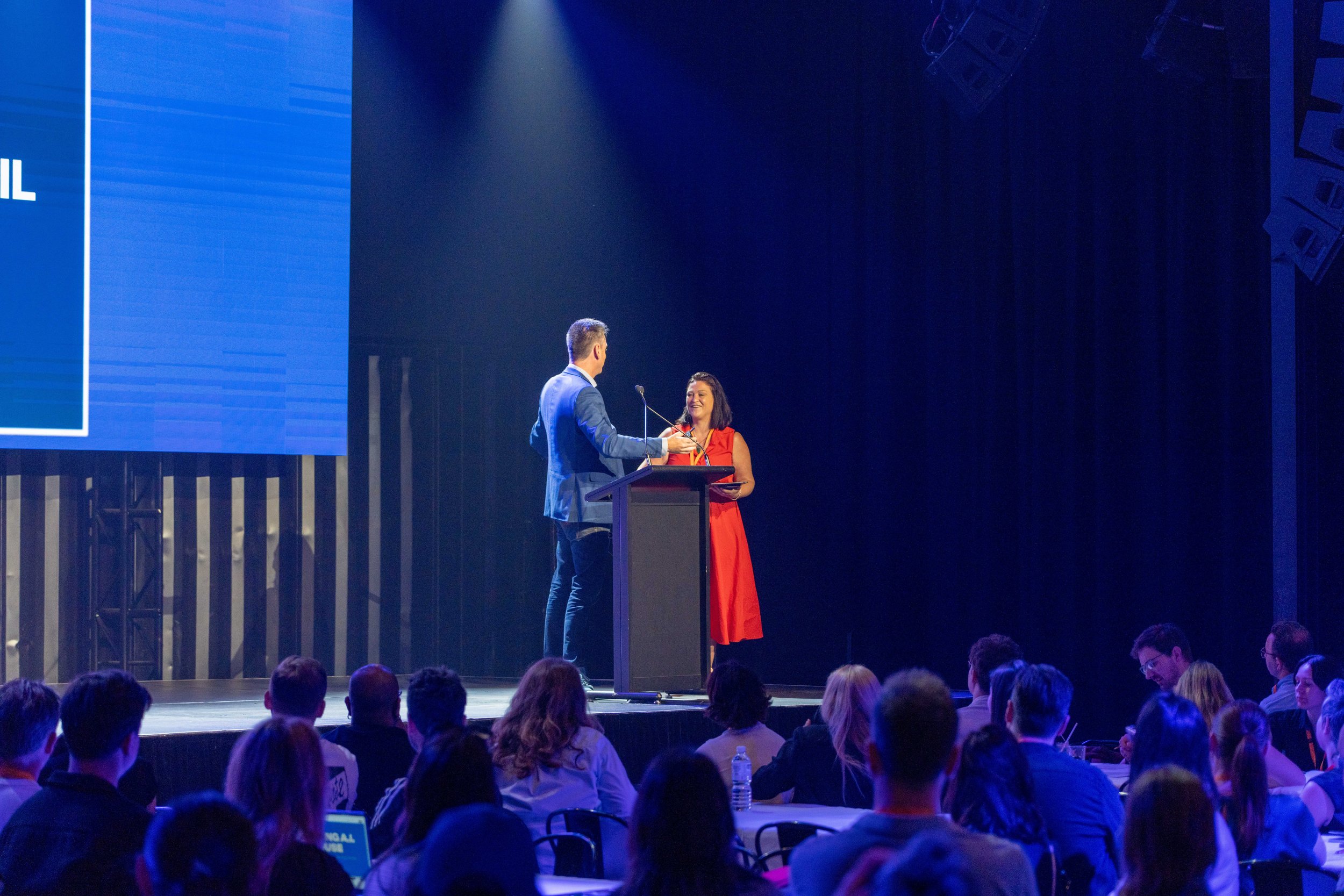
Chris Maxwell & Abby Blackmore
Creativity needs a seat at the strategy table
Andrew McKechnie, Global Head of Creative, Hardware at OpenAI, joined virtually from New York to talk about building in-house teams for ambiguity. His team has moved to a "prototype culture", prototyping even at the briefing stage. His warning: when creative is brought in too late, it ends up forcing decisions that should have been made earlier, and stays an executional arm rather than a strategic one.
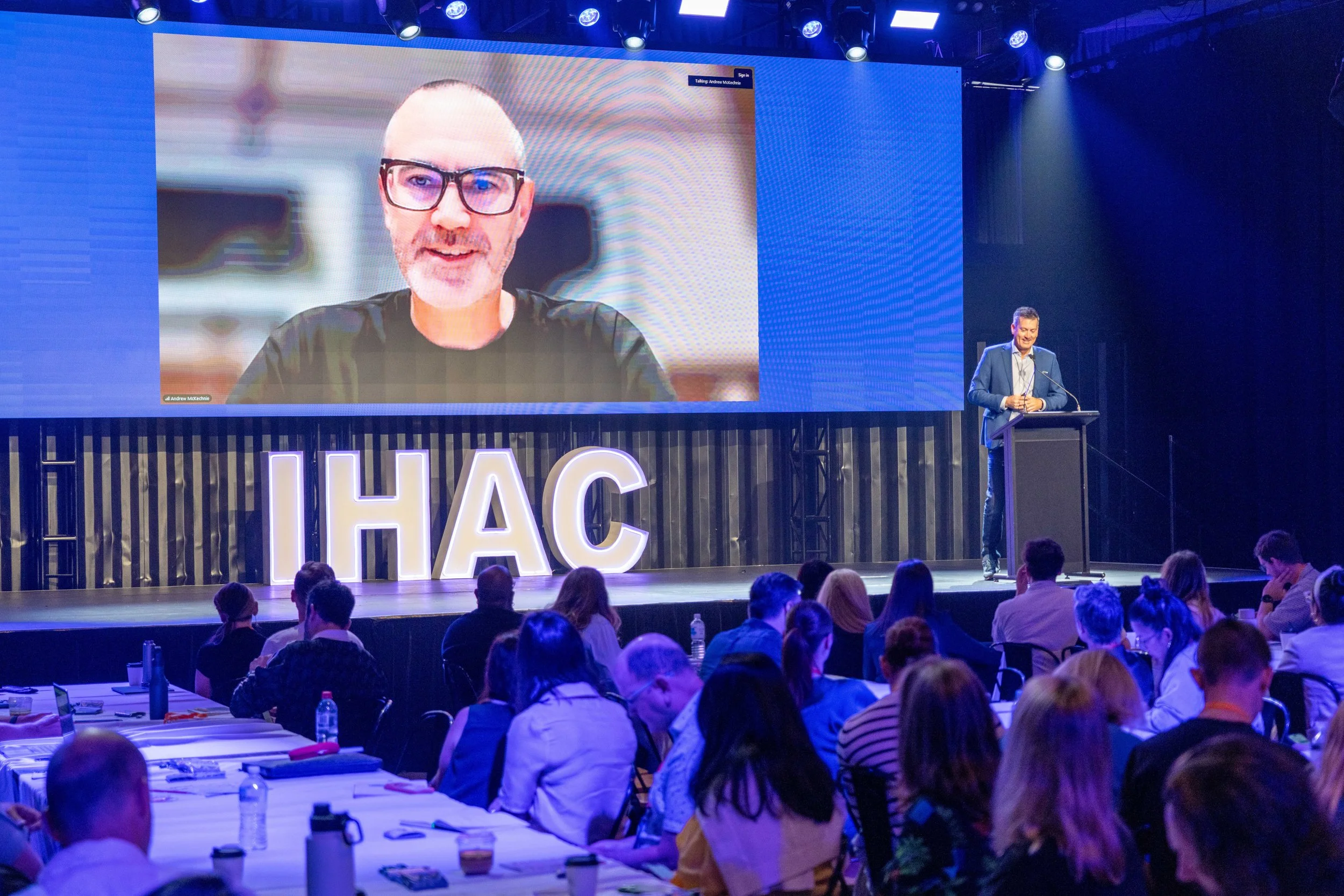
Andrew McKechnie, OpenAI
Lara Thom, 2025 CMO of the Year, shared how she grew GYG's marketing from a team of six relying on agencies to a 58-person in-house function by tying every campaign to revenue. Her advice on AI: "Don't make AI the expert. Make your expertise drive AI."
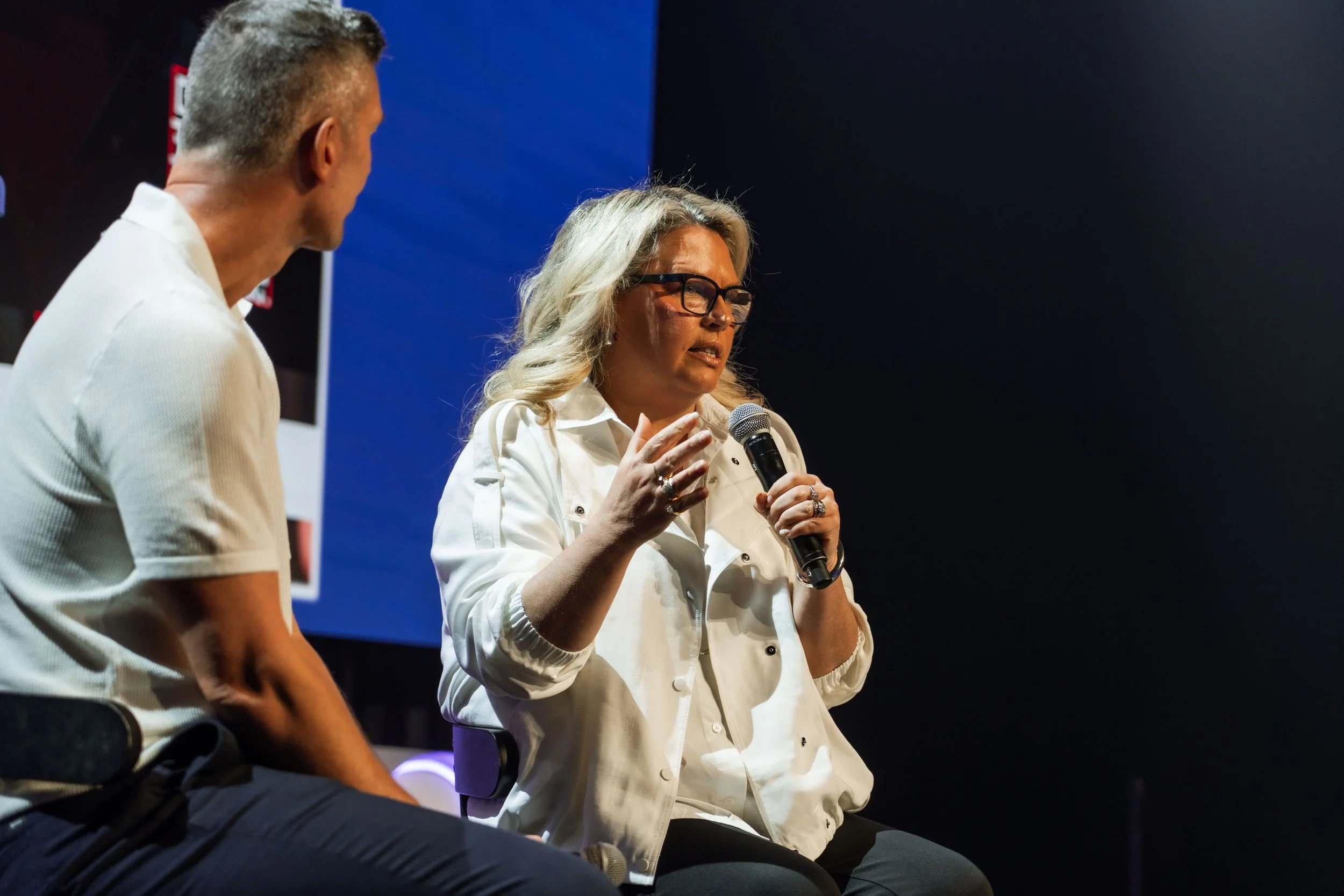
Nick Thomas, -lution & Lara Thom
Stories that make people care
From NASA's Jet Propulsion Laboratory, David Rager and Sami Aziz showed how NASA turns complex missions into human stories. Every story needs a "T-zero", the focal moment people come to see. And some of the best moments can't be scripted: on Artemis II, a jammed toilet, a zero-gravity plush toy designed by an eight-year-old and a floating jar of Nutella all became stories in their own right.
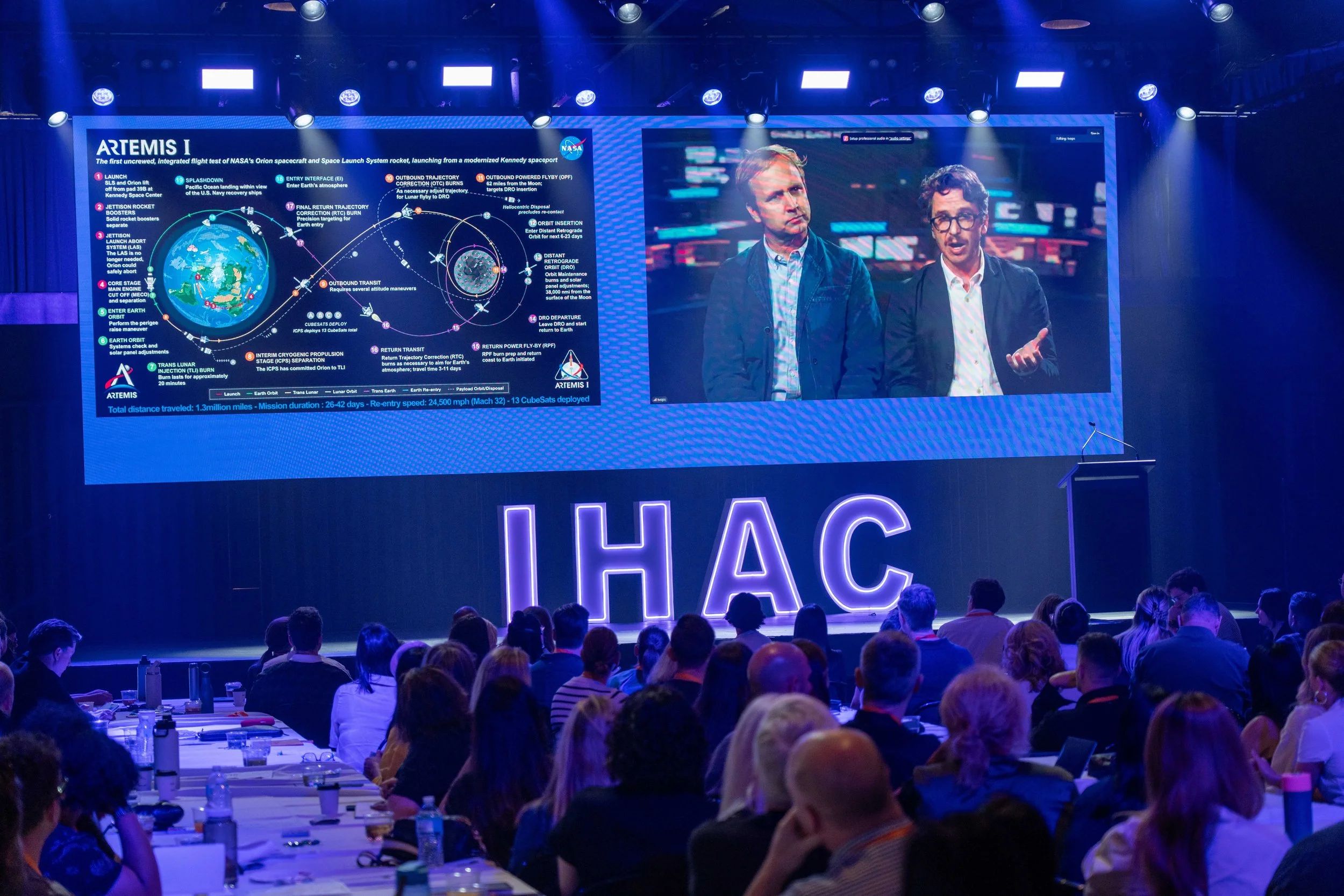
David Rager, NASA & Sami Aziz, NASA JPL
TWE's Splash told the story behind its In-House Agency of the Year win. In four years it went from a production-efficiency brief to a 24-person strategic growth partner, guided by a simple north star: "The riskiest work is ignorable work."
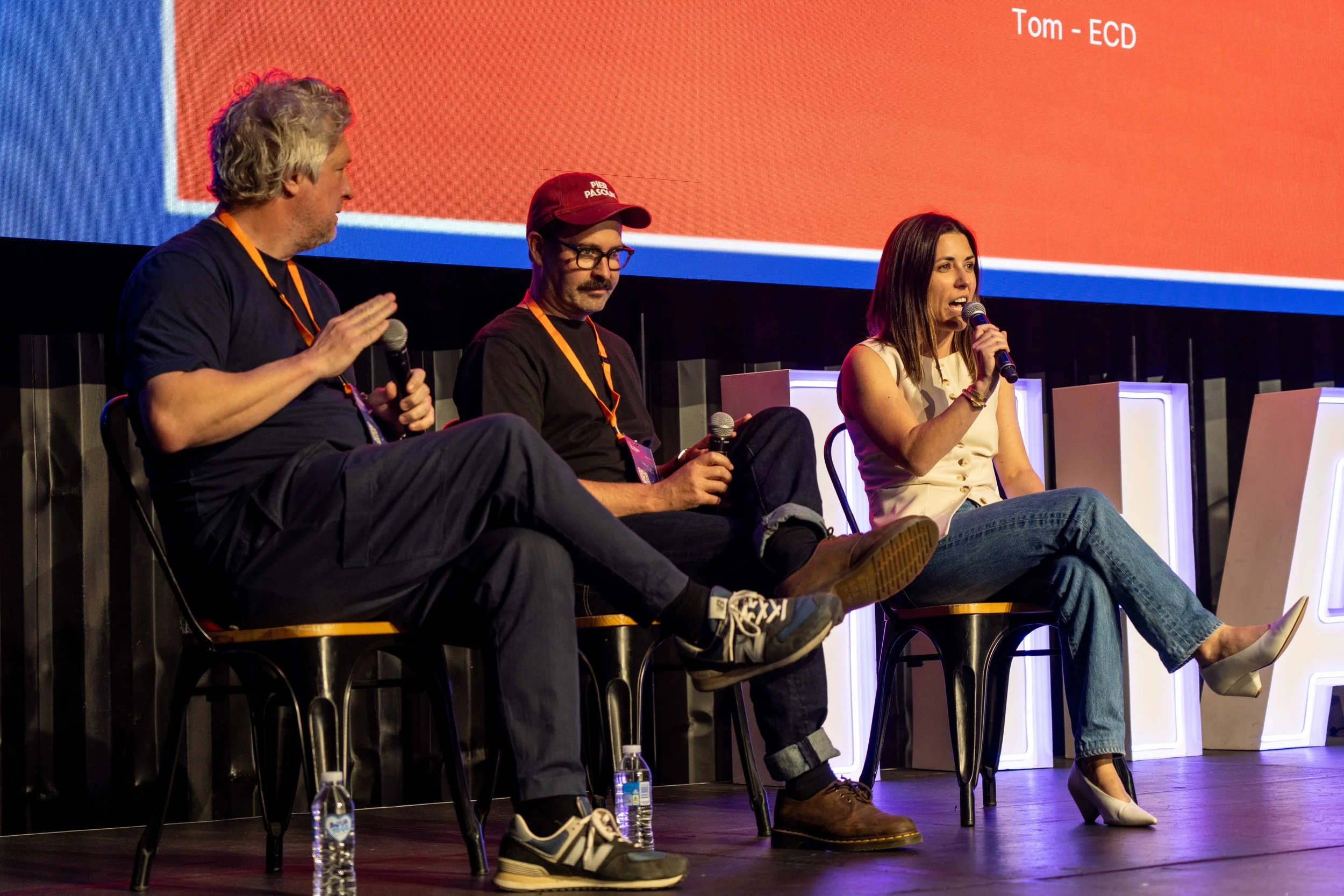
Measurement, media and partners
The afternoon turned to proof. Our measurement panel argued that marketers are having the wrong conversation with finance: it should be about resource allocation and growth, not budgets and ROI. One change for tomorrow? Kill last click.
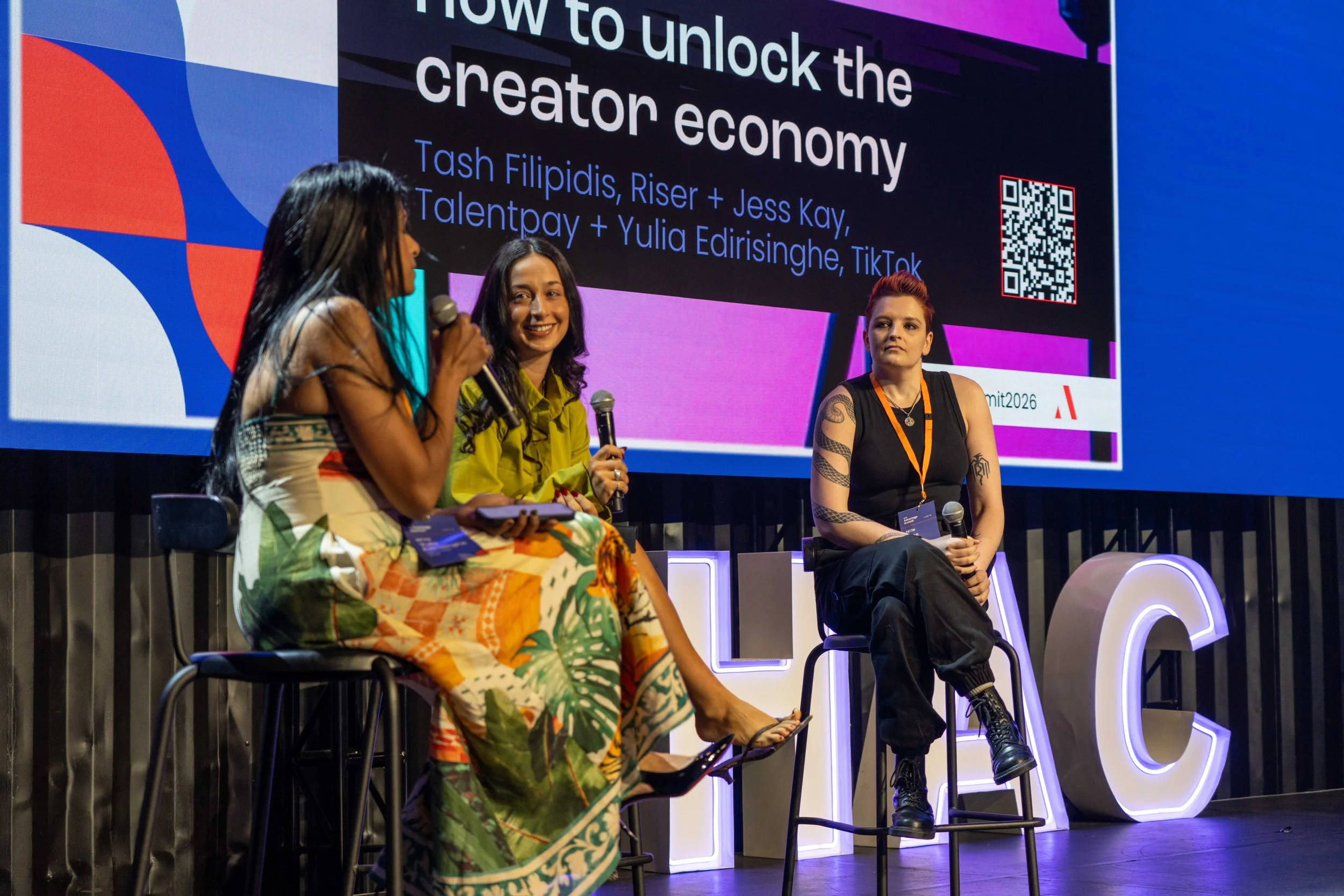
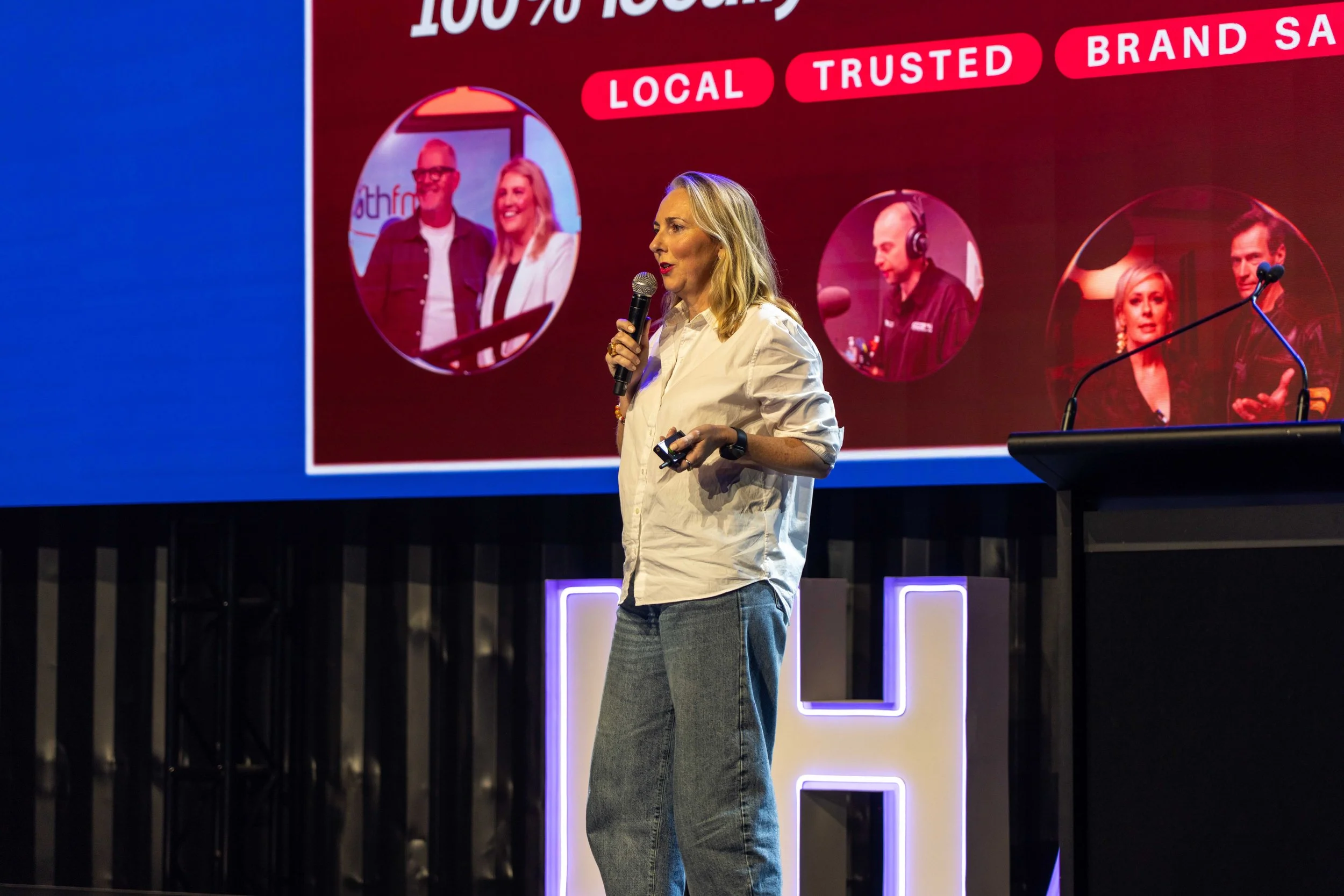
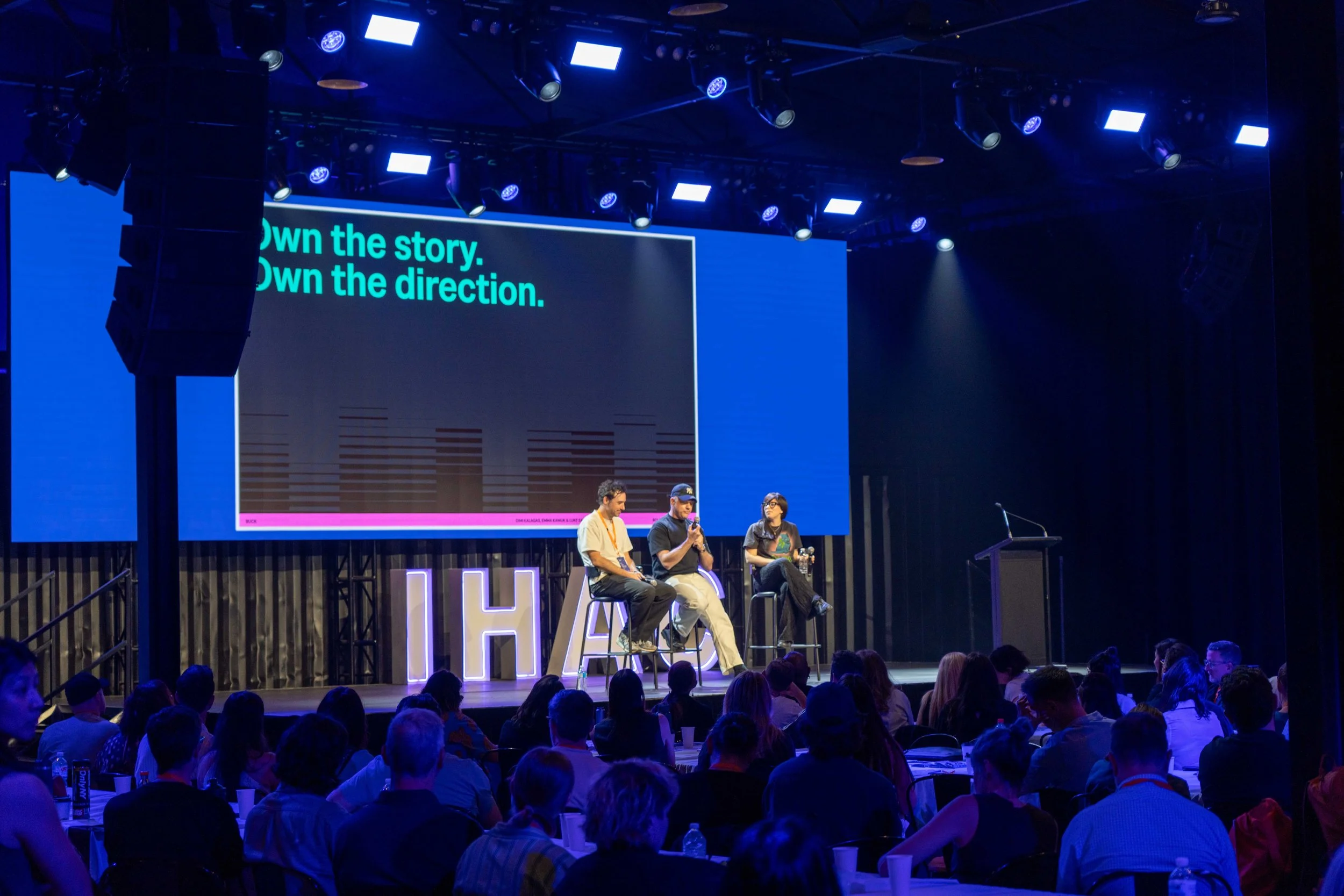
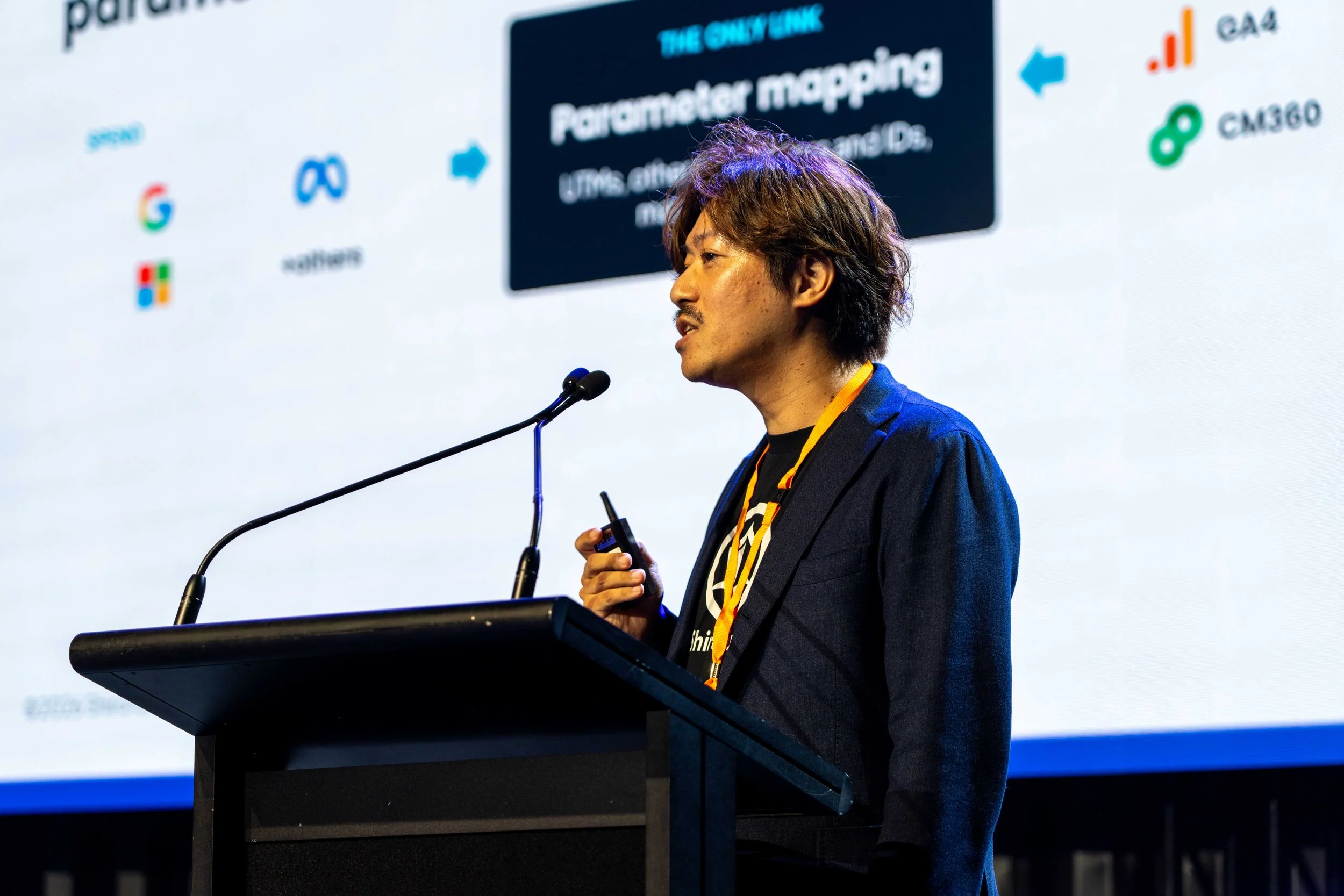
Sponsor sessions covered the creator economy (TikTok, Riser and Talentpay), the case for audio (Commercial Radio & Audio), keeping bold ideas intact with external partners (Buck, with former Afterpay ECD Dimitri Kalagas), and automating cross-channel media optimisation (Shirofune).
In the breakouts, Ideally's Neville Doyle showed how earned media built on owned research is now one of the strongest levers for showing up in AI-generated answers.
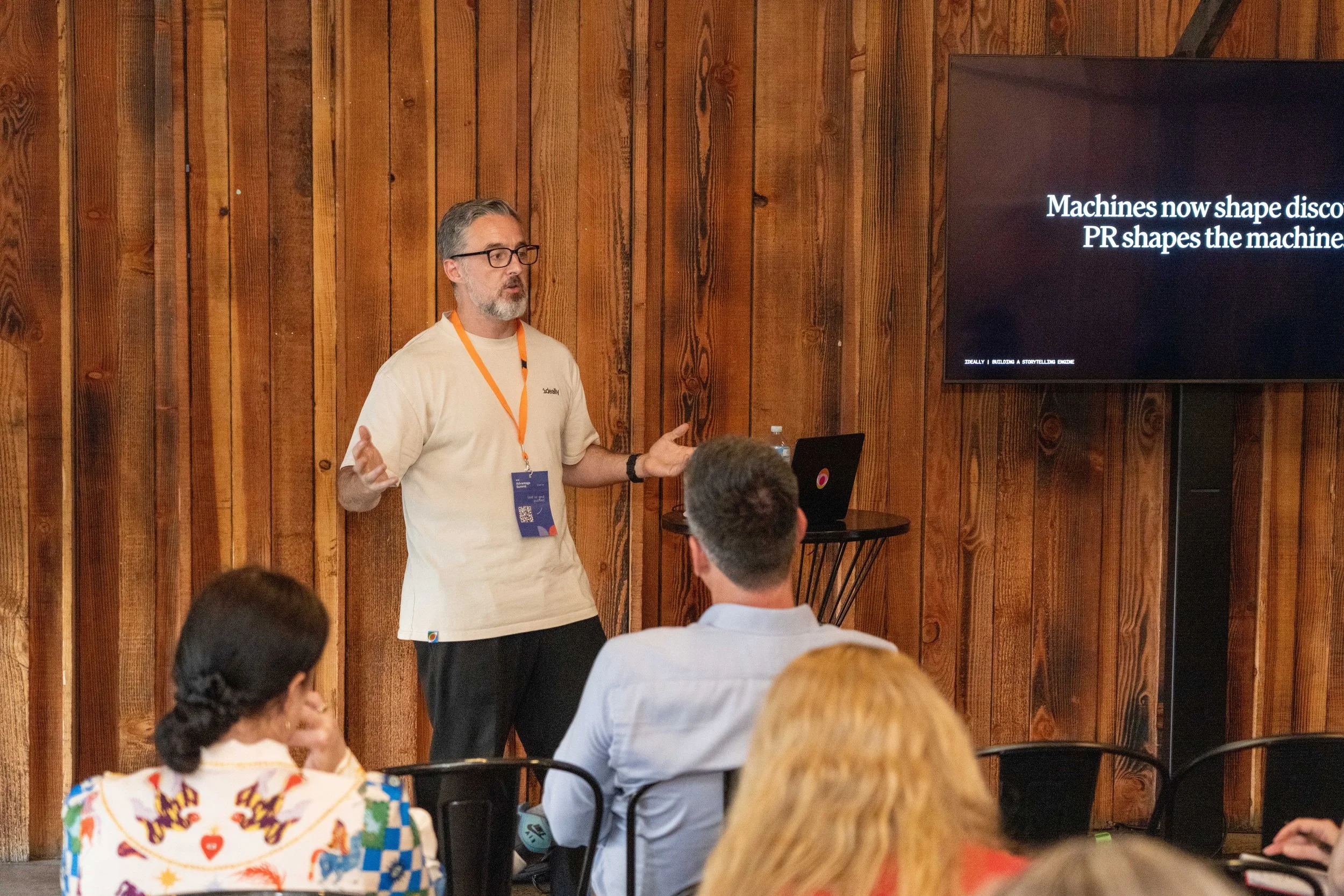
Neville Doyle, Ideally
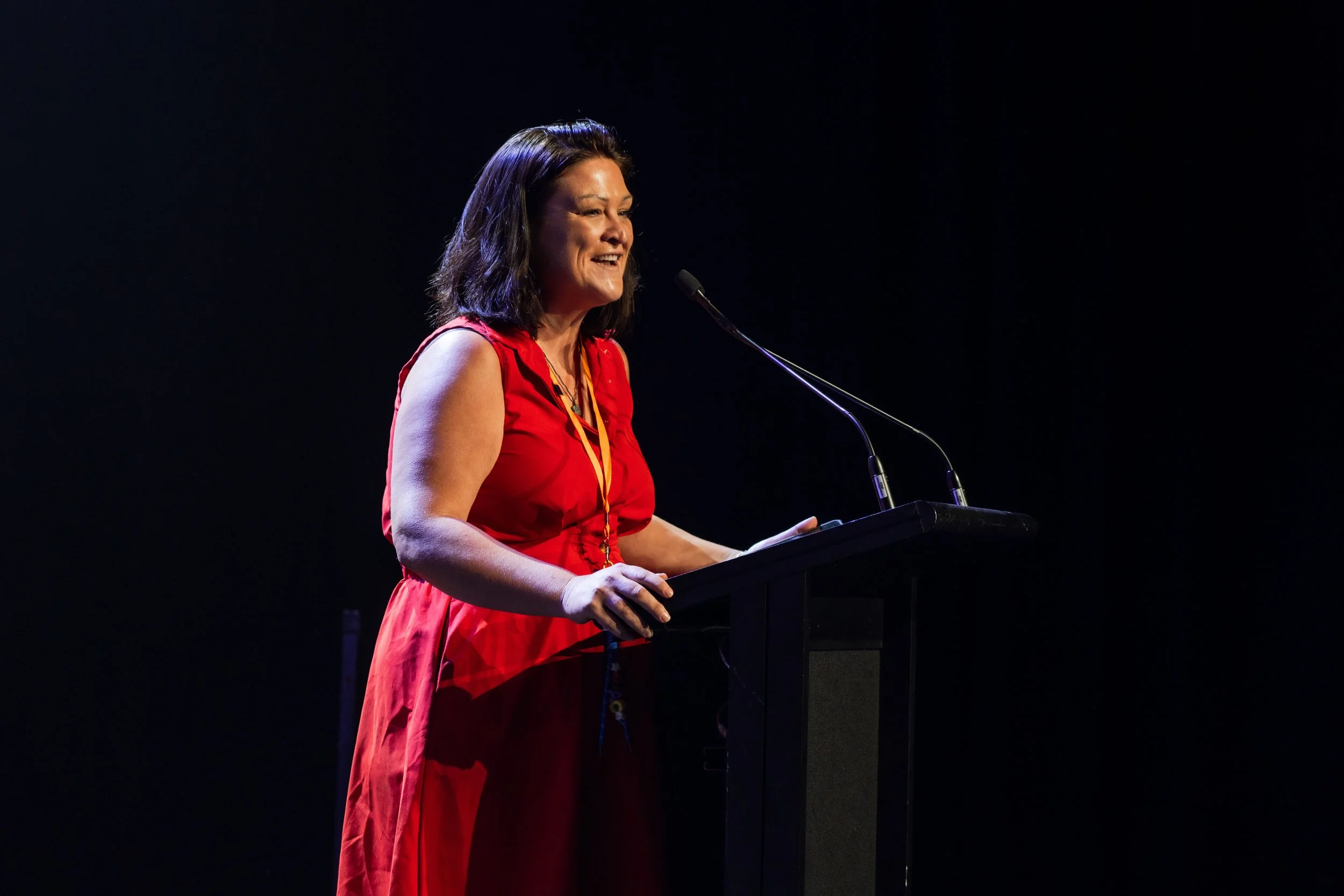
IHAC 2.0
Abby launched IHAC 2.0, built on what members told us they need: content for their teams, connection to peers and mentors, benchmarking and access to the best in the business. It includes a new member hub with peer-mentoring matching ("the Tinder for mentoring") and a formal capability partnership with -lution, the firm of IHAC Chairman Chris Maxwell, covering value calculation, maturity benchmarking and training.
What the room told us
The live poll of 107 attendees closed the day. In-house teams now deliver 74% of their organisation's marketing work. Compared with two years ago, 79% have more work going through the team, while 62% have the same or a smaller team. Only 6.5% have AI integrated into core workflows.
The most telling finding: 33% of teams with standardised AI get five or more hours a week back, against 15% where AI use is still ad hoc. Same tools, different operating model, more than twice the time back.
That's the challenge for the year ahead: not doing more, but redesigning how the work gets done so in-house teams can choose better.
Thank you to every speaker, sponsor and member who made the day possible.
